.jpeg)
Why Moral Science Deserves a Dedicated Period in Every Indian Classroom
Why Moral Science Deserves a Dedicated Period in Every Indian Classroom
Feb 13, 2026
India's education system prioritizes academics, but neglecting moral science leaves a gap in character building. A dedicated period for moral science in every class and school would instill timeless values, drawing from ancient wisdom to foster ethical citizens.
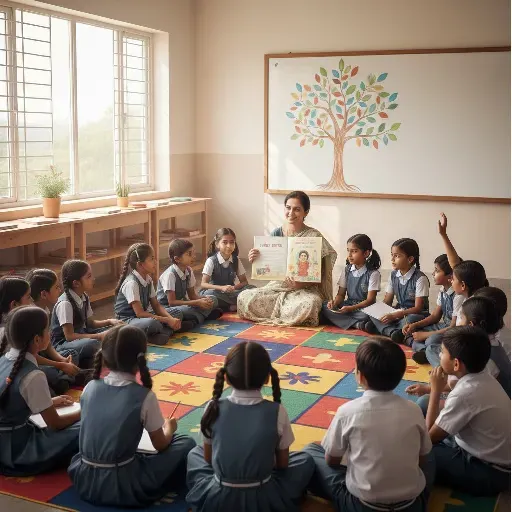
Roots in Ancient Indian Wisdom
Ancient India's Gurukul system integrated moral education as a core pillar alongside knowledge. Students lived with gurus, learning dharma—righteous duty—from texts like the Bhagavad Gita, which teaches selfless action without attachment to results, as Krishna advises Arjuna. Virtues such as truth (Satya), self-discipline (Brahmacharya), and respect (Shraddha) were emphasized through stories in Panchatantra and epics like Ramayana, shaping individuals of integrity. This holistic approach ensured education built not just intellect but moral character, preparing youth for societal harmony.
Benefits for Students' Lives
Moral science equips students with decision-making skills to navigate real-world dilemmas ethically. It teaches distinguishing right from wrong, fostering empathy, honesty, and resilience against peer pressure or digital distractions. Through role-playing and discussions, students develop critical thinking and conflict resolution, enhancing emotional intelligence for lifelong success. In India, where diverse cultures coexist, it promotes respect and inclusivity, helping students build positive relationships and mental well-being.
Transforming Society into a Better Place
A dedicated moral science period cultivates responsible citizens, reducing issues like bullying and discrimination for safer communities. It counters moral degeneration by reinforcing values like civic duty and environmental awareness, leading to compassionate, engaged societies. Nationally, ethical individuals contribute to harmony in a pluralistic India, echoing ancient ideals of dharma for cosmic order. Studies show value-based education builds tolerance and mutual respect, curbing social conflicts.
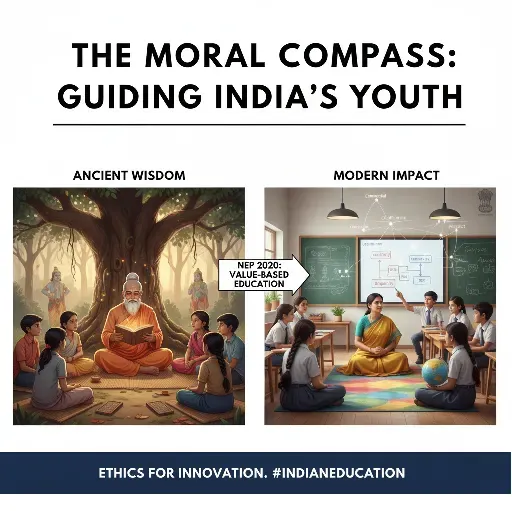
Role in Modern Indian Society
Today's fast-paced world demands moral anchors amid ethical challenges like corruption and inequality. Karnataka's government plans dedicated periods and textbooks for moral science from Classes 1-12 starting 2025-26, focusing on empathy, integrity, and gender equality. This revival aligns with NEP 2020's holistic vision, blending ancient wisdom with modern needs like scientific temper and resilience. Globally influenced youth gain tools for integrity in careers and leadership, making society more equitable.
Implementation for Maximum Impact
Schools should allocate weekly slots with interactive methods: group debates on Gita dilemmas, community service, and guru-led stories. Integrate digital resources as in Karnataka's pilot, ensuring assessments value application over rote learning. Teacher training on ancient texts modernized for relevance ensures engagement. Parents and communities can reinforce via home discussions, amplifying school efforts.
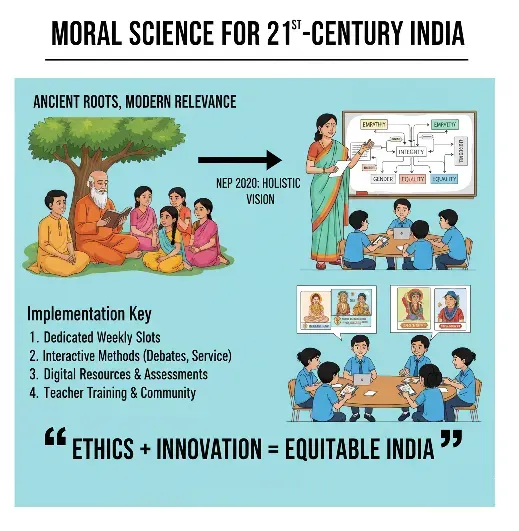
A Call for Ethical Revival
Reinstating moral science revives India's guru-shishya legacy, benefiting students and society profoundly. With government momentum, every school adopting this creates a virtuous cycle of ethical growth. Prioritizing it now builds a compassionate Bharat for generations.