.jpeg)
Best Local Resources in Bangalore for Online and Offline Math Help
Best Local Resources in Bangalore for Online and Offline Math Help
Nov 25, 2025
In Bangalore, students preparing for SSLC, PUC or competitive exams can gain a strong edge by combining quiet local study spaces, trusted reference books and targeted online tools. This article maps the city’s best libraries and study cafés, recommends widely used math textbooks and reference books, lists effective apps, and shows how to blend these resources with home tutoring for steady improvement.
Libraries, Study Cafés and Community Study Spaces:

Quiet, consistent study locations help students concentrate and complete problem sets.
- Public and college libraries: State Central Library, the city’s BBMP branch libraries and many college libraries (with permission) offer spacious, distraction‑free environments. Libraries in Basavanagudi, Jayanagar and Malleshwaram are popular with students for their calm atmosphere and reference collections.
- Study cafés & co‑working: Study‑focused cafés near Koramangala, Indiranagar and Whitefield, and quieter cafés in Malleshwaram and Jayanagar, provide comfortable seating and extended hours. Visit at the time you plan to study to check crowd levels and Wi‑Fi reliability.
- Tiffin‑friendly spaces: For students balancing tuition, early morning slots at libraries or cafés are often the most productive. Keep a portable stationery kit and a problem notebook dedicated to these sessions.
Practical Tip:
Reserve weekend slots at a library or café for deep‑work (timed practice, mock papers) and use weekdays for focused 30–60 minute app sessions at home.
Recommended Textbooks and Reference Books:
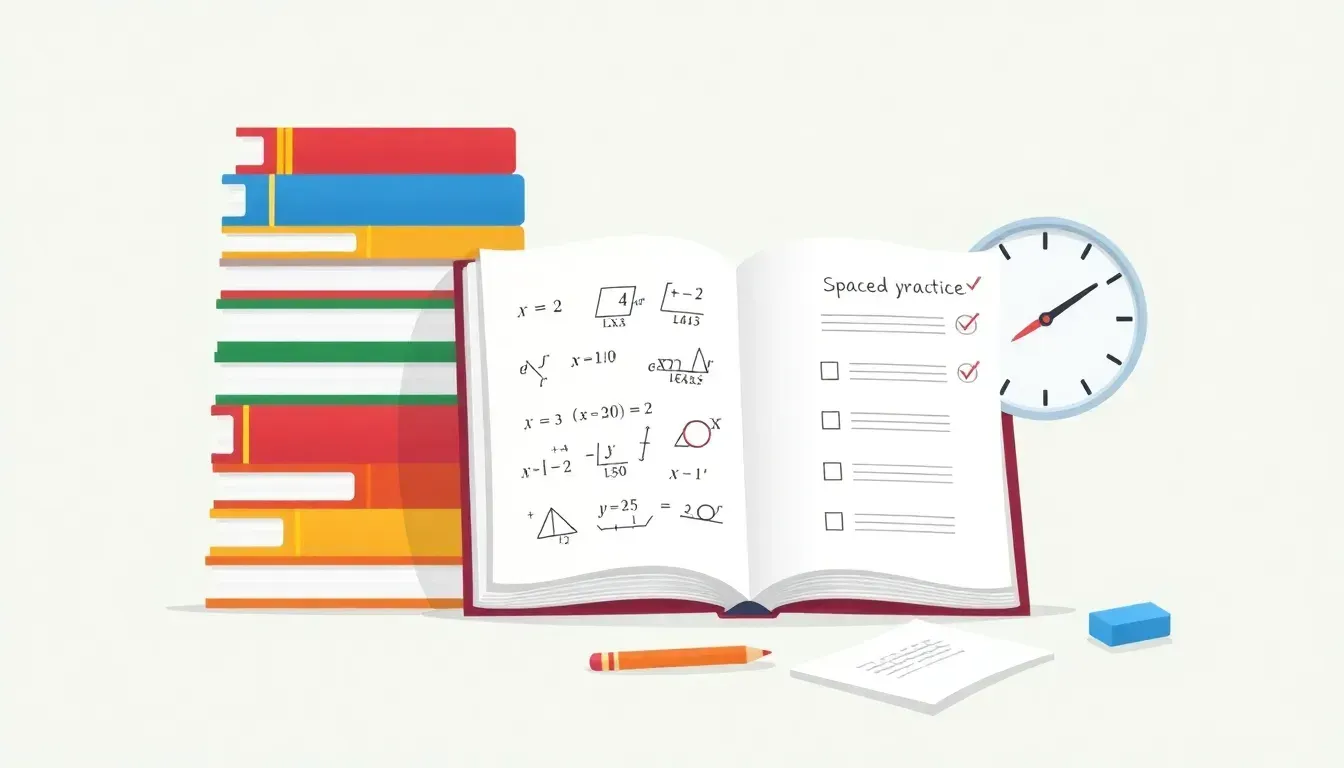
Good books provide structured practice, clear explanations and exam‑oriented questions. Below are textbooks and reference books widely used by Bangalore students across boards and competitive prep.
- RD Sharma (Comprehensive Mathematics series)
- Who it’s for: Class 6–12 students seeking thorough conceptual explanations and a large variety of practice problems.
- Strengths: Clear theory, stepwise worked examples and extensive exercise sets ranging from basic to challenging. Particularly strong on algebra, geometry and coordinate geometry.
- How to use: Follow chapter theory, attempt solved examples, then complete exercises in increasing difficulty. Maintain a separate error log for repeated question types.
- RS Aggarwal (Objective Mathematics and Practice books)
- Who it’s for: Students looking for concise practice and objective‑type questions helpful for board objective sections and entrance test prelims.
- Strengths: Large question bank, quick practice sets, and easy classification by difficulty.
- How to use: Use these after mastering basics from RD Sharma for timed practice and speed building.
- ML Aggarwal (Mathematics for Class 6–10)
- Who it’s for: Strongly aligned to many state board syllabi; helpful for foundational learning in middle school.
- Strengths: Conceptual clarity, classroom‑style examples and board‑oriented questions.
- How to use: Use as the primary textbook for concept learning and for SSLC preparation.
- Arihant and Career Point guides (PUC/entrance focused)
- Who it’s for: Class 11–12 students preparing for PUC boards and engineering entrances.
- Strengths: Topic‑wise theory plus solved problems, previous years’ papers and practice sets tailored to entrance exam patterns.
- How to use: Integrate these into a revision plan two terms before exams; prioritise solved examples and past papers.
Study strategies with books
- Mix theory and practice: Read the theory from RD Sharma or ML Aggarwal, then immediately attempt related questions.
- Spaced practice: Revisit earlier chapters weekly to prevent forgetting.
- Problem selection: Start with easy exercises, move to medium then hard. For competitive prep, reserve 3–4 problems from high‑difficulty sets each session.
- Keep a mistake log: Note question type, mistake cause and correct approach.
Recommended Indian and Global Online Platforms and Apps

Use online tools for videos, adaptive practice and quick doubt resolution.
- Indian platforms:
- Khan Academy India (regional content), Vedantu, BYJU’S, Toppr: for topic videos, practice sets and live doubt sessions.
- Meritnation and Extramarks: strong on board‑aligned content and chapterwise tests.
- Euro Tutor: For online and offline classes.
- Global/free resources:
- Khan Academy: full curriculum and structured practice.
- Desmos: interactive graphing and function exploration. Very useful for Class 11–12.
- GeoGebra: dynamic geometry and algebra visualisations.
- Photomath & Microsoft Math Solver: stepwise solutions for single problems; use sparingly to check work after independent attempts.
How to Pick Apps
Prioritize platforms that allow topic‑wise practice, progress tracking and Karnataka board alignment. Use free trials and parent reviews from local Bangalore groups before subscribing.
How to Combine Books

Online resources and home tutoring. A structured blend gives clarity, practice volume and personalized correction.
- Weekly plan (sample):
- Home tutor: one or two 60–90 minute sessions for introducing new concepts, solving selected RD Sharma examples and modelling problem strategies.
- Self‑study with books: two focused sessions (45–60 minutes) using RD Sharma/ML Aggarwal for practice; maintain an error log.
- Daily online practice: 20–40 minutes on Khan Academy or Toppr for adaptive drills and video refreshers. Use Desmos/GeoGebra for visual topics.
- Weekend mock: timed past paper or Arihant practice set every 1–2 weeks.
- Tutor‑parent coordination:
- Share the weekly book chapters and app practice targets with the tutor. The tutor should assign specific problems and review the error log.
- Use Google Sheets to track topics covered, scores on timed tests and recurring mistakes.
- Avoid shortcuts: Encourage students to attempt problems fully before checking Photomath-style step solutions. Build stamina by increasing problem difficulty gradually.
When you combine a quiet study space, well‑chosen textbooks and targeted apps; it creates a balanced, cost‑effective math plan. Start with a six‑week cycle: pick one book as primary, two online tools for practice and one consistent study location. Review progress and adjust resources every six weeks.